


May approach UN, ECOWAS court
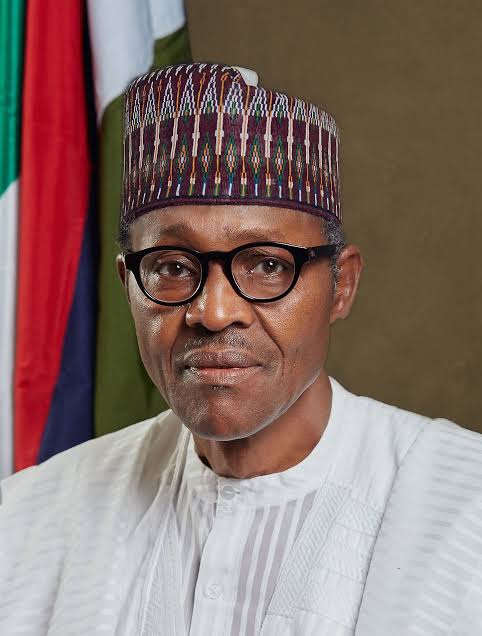
President Muhammadu Buhari has been asked to look into the sufferings of over 2million original inhabitants of the Federal Capital Territory, (FCT) whose lands were taken in 1976 by the military government in the quest for a new Nigerian capital.
The call was part of the resolution of participants at a weeklong event organised on indigenous and their challenges in Abuja.
The concerned ethnic groups, Koro, Ganagana, Gade, Bassa, Gbwari, Nupe, Ebira among others urge Nigeria to meet her obligations by respecting the various United Nations, (UN) treaties and Conventions on indigenous Peoples.
The first settlers in the FCT could be traced to some 1000 years ago but today, their offspring are worried that the relocation of the Federal Capital from Lagos to Abuja has done more harm than good
The original inhabitants also asked the Presidential aspirants of the various political parties to visit the communities and tell them how they hope to redress the historic injustice inflicted on the people.
They said they are ready to approach the United Nations, (UN), ECOWAS Courts and other regional bodies to ensure justice is done. A team of legal experts was put in place to employ the option.
They claim that lack of access to land has robbed them of their ancestry, visit to burial grounds of their ancestors, spirituality, dignity and native pride. The peoples said they are also stateless while their traditional worship places were either destroyed or seized by the governments since 1976.
The FCT aborigines called on the Government to address their fears and meet their aspirations promising to continue with peaceful advocacy.
The event organised by the Resource Centre for Human Rights and Civil Education, (CHRICED), with the support of John D. and Catherine T. MacArthur Foundation had a two-day training for journalists on reporting indigenous issues and another two days with the focus on access to justice and human rights protection in Nigeria.
CHRICED intervention in the agitation of the enraged inhabitants is said to have assuaged nerves encouraging them to employ legal and peaceful means and had stemmed planned massive demonstrations with unpredictable consequences.
The communique issued at the end of the training and expert summit was signed by CHRICED Executive Director, Dr Zikirullahi Ibrahim and Adewale Adeoye.
It stated that the Original inhabitants are land and forest dependent people, they are predominantly farmers, when the land is taken, their ecosystem and livelihood fades like shadows.
‘That the FG refusal to resettle and pay compensation to FCT Indigenous Peoples as required by the FCT Act 1976 and the 1999 Constitution of Nigeria suggests that the FG has failed to legitimately acquire FCT lands but have merely confiscated the lands.’

The groups said the issues of Original Inhabitants are not without class character and class variables with the indigenous peoples always at the receiving end due to economic and political dispossessions.
The participants note that the consequences of serial denial of the rights of indigenous peoples are manifest in lack of equitable access to the essentials of life like housing, land and its bio and genetic resources, education, health, equitable economic and political representation;
‘Original Inhabitants have tolerated for too long their long lasting afflictions. That there are legal provisions in the Nigerian constitution that can be explored like right to life, dignity of the human person, right to own property, to advocate access to justice and human rights protection in Nigeria.’
Participants regret that there are various laws in Nigeria that further deepen the enslavement and repression of indigenous peoples and where Indigenous peoples’ explore favourable laws in courts such gains are diminished through disobedience of court orders and lack of enforcement by the authorities, for instance, Court Judgements that indigenous peoples should be represented in the Federal Executive Council, this is yet to be enforced;
Speaking at the event a representative of the original inhabitants said ‘When the capital was moved in 1976, many of us were asked to relocate to other areas. Peanuts were paid mostly for crops while access to our ancestral land, including where we buried our fathers and mothers, our sacred groves and spiritual, holy places were taken over by the then Federal Government’ one of the indigenous participants David said. He added ‘One of the biggest hotels in Abuja was bought for only twenty five naira from the original owners of the land. Our language, culture and tradition of inestimable values have been destroyed and face threat of total extinction. President Buhari should show concern. The Presidential aspirants need to assure us that original inhabitants in Abuja matter.’
Participants included CHRICED Executive Director, Dr Zikirullahi Ibrahim, his team at the CHRICED secretariat, Lady IBB Benede, representative of by MacArthur Foundation Programme Officer, Dr Amina Salihu, legal experts like Prof Abdulmumuni Bala Ahmed, Law Faculty, Bayero University, Kano, who presented a paper titled Key Legal Issues Affecting Indigenous Peoples in Nigeria: FCT Abuja as a Case Study’, Barrister Musa Salihu, FCT spoke on Legal and Regulatory Requirements for the Compulsory Acquisition of Land in Nigeria: The FCT OI Journey so Far’, Barrister Mohammed Ndayako, SAN on ‘Execution and Enforcement of Judgments and Orders of Courts under the Relevant Laws in Nigeria’, Barrister Chima Williams, Access to Justice and Human Rights Protection in Nigeria: Travails of Indigenous Peoples and the Quest for Justice’







Recent Comments